Abstract
-
Purpose
This study examined the mediating effect of empowerment on the relationship between nursing professionalism and job satisfaction, with the goal of informing strategies to enhance job satisfaction among insurance review nurses.
-
Methods
A total of 165 insurance review nurses with more than 1 year of work experience in 12 general hospitals (≥500 beds) participated in this study. Data were analyzed using descriptive statistics, t-tests, analysis of variance, Pearson correlation analysis, and multiple regression analysis. The mediating effect was tested using the PROCESS Macro (model 4) in SPSS version 26.0 with 10,000 bootstrap samples.
-
Results
The mean scores for nursing professionalism, empowerment, and job satisfaction were 100.37 (standard deviation [SD], 17.03), 86.24 (SD, 17.70), and 45.44 (SD, 9.17), respectively. Significant positive correlations were observed between nursing professionalism and job satisfaction (r=.64, p<.001), empowerment and job satisfaction (r=.77, p<.001), and nursing professionalism and empowerment. Empowerment was found to partially mediate the relationship between nursing professionalism and job satisfaction (95% CI, .20–.44).
-
Conclusion
Enhancing empowerment and strengthening nursing professionalism are essential for improving job satisfaction among insurance review nurses. Institutional interventions that promote professional identity and provide structural empowerment may increase job satisfaction and support retention within this specialized nursing workforce.
-
Key Words: Insurance; Job satisfaction; Nurses; Power; Professional competence
INTRODUCTION
The healthcare environment is becoming increasingly complex due to demographic shifts, technological advancements, and rising patient expectations. Within this evolving context, the role of insurance review nurses has become indispensable. These professionals ensure that patients receive cost-effective and appropriate care by reviewing treatment records, verifying compliance with insurance policies, and facilitating accurate reimbursement [
1]. To perform these responsibilities effectively, they require both advanced clinical knowledge and specialized expertise in medical billing and insurance claims.
However, the transition from direct patient care to administrative and evaluative roles often poses challenges for insurance review nurses, potentially weakening their sense of professional identity [
2]. Their responsibilities—including coordinating with healthcare providers, managing claims and complaints, and negotiating with both public and private insurance entities—are cognitively demanding and organizationally complex [
1]. These pressures contribute to role strain and stress, which can negatively affect both job satisfaction and performance. Supporting their work experience is therefore critical not only for staff retention but also for the financial and operational sustainability of healthcare systems.
Beyond internal challenges, insurance review nurses act as intermediaries between healthcare institutions, patients, and external organizations such as insurance companies and workers’ compensation agencies [
3]. By evaluating the appropriateness of services, reviewing claims, and ensuring compliance with reimbursement standards, they safeguard patient rights and contribute to equitable access to care [
1,
2]. Given this critical social responsibility, it is essential to understand the psychological and organizational factors that shape their work experiences. Yet research examining how professional identity and empowerment affect job satisfaction in this specialized group remains scarce.
Job satisfaction has long been recognized as a key factor influencing morale, retention, and quality of care among nurses [
4]. Professional identity, often referred to as nursing professionalism, is one of the strongest predictors of job satisfaction, motivating nurses to maintain high standards of practice and collaboration [
5-
8]. Nurses with a strong professional identity demonstrate greater competence, workplace pride, and commitment to patient care [
6,
9]. Moreover, a well-developed professional identity facilitates teamwork, enhances career development, and contributes to positive workplace adjustment [
7,
10,
11]. These findings underscore that professional identity is not only central to individual nurses’ well-being but also to the functioning of healthcare organizations [
12,
13].
In addition to professional identity, empowerment has emerged as another critical determinant of job satisfaction. Empowered nurses report higher confidence, autonomy, and influence over their work, all of which contribute to effective communication and improved quality of care [
14]. At the organizational level, empowerment strategies strengthen engagement, performance, and job satisfaction [
15]. Empirical studies in Korea have also demonstrated that higher levels of empowerment are positively associated with job satisfaction and organizational commitment [
16]. These findings are reinforced by meta-analyses [
17] and systematic reviews showing that structural empowerment fosters psychological empowerment, which in turn enhances job satisfaction [
18,
19]. Thus, empowerment functions as both an individual resource and an organizational mechanism for sustaining nurse performance and retention.
The interplay between professional identity, empowerment, and job satisfaction has been conceptually acknowledged, with evidence pointing to strong correlations among these factors [
15-
19]. Moreover, professional identity is frequently identified as an antecedent of empowerment, shaping nurses’ autonomy, confidence, and sense of control [
20]. However, empirical investigations that explicitly test empowerment as a mediator between professional identity and job satisfaction in administrative or evaluative nursing roles—such as insurance review nurses—are lacking [
3].
In South Korea, more than 10,000 nurses have obtained the Insurance Review Manager certification since its introduction in 2006, working in hospitals, the Health Insurance Review & Assessment Service, the National Health Insurance Service (NHIS), and the private insurance and pharmaceutical sectors [
21]. Given the complexity of the national health insurance system and the rapid aging of the population, it is both timely and important to investigate how insurance review nurses experience their roles and what factors most strongly influence their job satisfaction.
This study addresses this gap by empirically examining whether empowerment mediates the relationship between professional identity and job satisfaction among insurance review nurses. Grounded in Kanter’s theory of structural empowerment [
22], it seeks to generate evidence-based insights to inform organizational strategies that strengthen empowerment, enhance professionalism, and improve job satisfaction and retention within this specialized nursing group. By clarifying whether professional identity influences job satisfaction directly or indirectly through empowerment, the study provides a foundation for interventions that can sustain the contributions of insurance review nurses to an increasingly complex healthcare system.
METHODS
Study Design
This study was a cross-sectional descriptive correlational survey to examine the mediating role of empowerment in the relationship between nursing professionalism and job satisfaction among insurance review nurses.
Participants
The participants of this study were insurance review nurses employed in the insurance review departments of 12 hospitals, each with a capacity of at least 500 beds. Eligible participants were required to have a minimum of 1 year of experience performing insurance review tasks, possess an understanding of the study’s purpose, and voluntarily consent to participate. Nurses with less than 1 year of experience in insurance review were excluded from the study to account for the time typically required to adapt to and fully comprehend the responsibilities of the role.
The sample size for the study was calculated using G*Power 3.1.9.7 (Heinrich-Heine-Universität Düsseldorf). The parameters included a significance level of α=.05, a statistical power of 90%, a medium effect size (f
2=0.15), and 12 predictors (including nursing professionalism, empowerment, and 10 general characteristics). Based on these parameters, the minimum required sample size was determined to be 157 participants. The medium effect size (f
2=0.15) was selected in accordance with previous study [
23] demonstrating significant relationships between nursing professionalism and job satisfaction.
A total of 211 potential participants were initially identified across the 12 hospitals. Of these, 18 nurses were excluded due to having less than 1 year of experience in insurance review tasks. To account for a potential 10% dropout rate, surveys were distributed to 187 participants. Ultimately, 169 responses were received (90% response rate), and after excluding four responses due to insincerity, 165 valid responses were included in the final analysis. All participants were female.
Measurements
Nursing professionalism
This study utilized the Korean Nursing Professional Value instrument developed by Yoon et al. [
24]. The tool consists of 29 items categorized into five subdomains: professional self-concept (9 items), social recognition (8 items), professionalism in nursing (5 items), role in nursing practice (4 items), and autonomy in nursing (3 items). Responses are measured on a 5-point Likert scale, with three items (items 16, 20, and 24) reverse-scored for total score calculation. Total scores range from 29 to 145, with higher scores reflecting greater levels of nursing professionalism. The reliability of the tool was Cronbach’s α=.91 in a previous study [
24], and in this study, the reliability was confirmed with Cronbach’s α=.95.
Empowerment
Empowerment was assessed using a tool originally developed by Chandler [
25] and subsequently revised and adapted for Korean use by Yang [
26]. This instrument includes 28 items distributed across four subdomains: opportunities (9 items), information (8 items), support (8 items), and resources (3 items). Each item is rated on a 5-point Likert scale, with two items (items 26 and 27) reverse-scored during total score analysis. The total score ranges from 28 to 140, with higher scores indicating greater empowerment. The reliability of the tool was Cronbach’s α=.91 in a previous study [
26], and in this study, the reliability was confirmed with Cronbach’s α=.95.
Job satisfaction
Job satisfaction was measured using an instrument developed by Slavitt et al. [
27] and later revised by Park [
28] to specifically evaluate the job satisfaction of insurance review nurses. The tool comprises 14 items grouped into two subdomains: organizational structure (8 items) and work environment (6 items). Each item is scored on a 5-point Likert scale, with total scores ranging from 14 to 70. Higher scores indicate higher levels of job satisfaction. The reliability of the tool was Cronbach’s α=.80 in a previous study [
28], and in this study, the reliability was validated with Cronbach’s α=.90.
Data collection for this study was conducted over a 2-week period, from July 18 to July 29, 2022. The purpose and methodology of the study were explained to the department heads of 12 hospitals with at least 500 beds, located in eight regions across South Korea (Gyeonggi-do, Gangwon-do, Chungcheongbuk-do, Chungcheongnam-do, Jeollabuk-do, Jeollanam-do, Gyeongsangbuk-do, and Gyeongsangnam-do). Upon receiving permission to proceed, structured questionnaires were prepared and distributed.
To ensure confidentiality, each questionnaire was placed in an individual envelope along with a consent form. These envelopes were mailed to eligible insurance review nurses who had agreed to participate, using the addresses provided in the member registry. Prepaid return envelopes were included to facilitate the return of completed questionnaires. Participants were instructed to seal the completed questionnaires before mailing them back to the researcher, ensuring anonymity and maintaining confidentiality throughout the data collection process.
Data Analysis
Data were analyzed using IBM SPSS statistics version 26.0 (IBM Corp.). Statistical significance was determined based on a two-tailed test with a significance level of .05. Descriptive statistics, including frequencies, percentages, means, and standard deviations (SDs), were used to analyze participants’ general characteristics, as well as the levels of nursing professionalism, empowerment, and job satisfaction. Differences in job satisfaction according to general characteristics were analyzed using independent t-tests and one-way analysis of variance, with post-hoc analyses conducted using the Scheffé test to identify significant differences between specific groups. Pearson’s correlation coefficients were calculated to examine the relationships among nursing professionalism, empowerment, and job satisfaction. The mediating effect of empowerment was tested using Hayes’ PROCESS Macro model 4 (
https://www.processmacro.org/download.html). In mediation analysis, the bootstrapping technique is commonly employed to generate confidence intervals and test indirect effects. Following recommendations to improve result stability, the number of resamples was set to 10,000 or more [
29,
30]. A 95% CI that did not include zero was interpreted as indicating a significant mediating effect [
29].
This study obtained research approval from the Institutional Review Board of Chonnam National University Hospital (No. CNUH-2022-194). To ensure the protection of participants' rights, detailed information about the purpose and methodology of the study was provided before data collection, and informed consent was obtained from all participants. The consent form clarified that participation in the study would neither confer any advantages nor impose any disadvantages, that confidentiality would be strictly maintained, and that participants could withdraw from the study at any time without facing any repercussions. Additionally, the form assured participants that their data would only be used for research purposes. Following the survey, all collected data were securely stored in a locked facility to safeguard confidentiality and were scheduled for disposal upon the conclusion of the study. As a gesture of appreciation, participants were provided with a token of gratitude after completing the survey.
RESULTS
Demographic and Job-Related Characteristics
In this study, the demographic and job-related characteristics of the participants are presented in
Table 1. The largest age group was participants aged 40 to 49 years (n=87). Regarding educational background, 87 participants held a bachelor's degree. The majority of participants were married (n=132). In terms of total clinical experience, 45 participants had between 15 and less than 25 years of experience. For experience in insurance review tasks, the largest group (n=65) had less than 5 years. Regarding annual income, 75 participants reported earning between 60 million and 80 million KRW. A total of 88 participants held a certification in insurance review nursing, and the majority (n=131) were working as staff nurses. In terms of suitability for insurance review tasks, 92 participants responded that the tasks fit their aptitude. Lastly, 129 participants reported participating in competency empowerment education.
The descriptive statistics for the research variables are presented in
Table 2. Nursing professionalism scores ranged from 54.00 to 142.00 within a possible range of 29–145 points, with a mean score of 100.37 (SD, 17.03). Empowerment scores ranged from 42.00 to 131.00 out of a possible range of 28–140 points, with a mean score of 86.24 (SD, 17.70). Job satisfaction scores ranged from 18.00 to 69.00 within a possible range of 14–70 points, with a mean score of 45.44 (SD, 9.17). According to the descriptive statistics, the distributions of empowerment, professionalism, and job satisfaction met the criteria for normality. Specifically, all skewness values ranged from −0.171 to −0.140, and kurtosis values ranged from −0.149 to 0.238, which fall within the commonly accepted thresholds of |3| and |7|, respectively [
29].
In this study, the differences in demographic and job-related characteristics that influenced participants' job satisfaction are presented in
Table 1. The variables associated with significant differences included age (F=19.63,
p<.001), education level (F=3.83,
p=.024), total clinical experience (F=11.14,
p<.001), experience in the insurance review department (F=8.43,
p<.001), annual salary (F=3.36,
p=.037), position (F=11.16,
p<.001), suitability for insurance review tasks (F=27.36,
p<.001), and participation in competency enhancement training (t=-4.86,
p<.001).
Post-hoc analysis using the Scheffé test provided further insights into these differences. Job satisfaction increased significantly with age, with nurses aged 40–49 years reporting higher satisfaction than those under 40 years, and nurses aged 50 years or older reporting the highest levels of satisfaction. Nurses with a master’s degree demonstrated greater job satisfaction than those with a bachelor's degree. Job satisfaction also increased with longer clinical experience, showing significant differences across all groups. Similarly, nurses with 10 or more years of experience in insurance review tasks reported significantly higher job satisfaction than those with less than 5 years of experience. In terms of annual income, nurses earning 80 million KRW or more had higher job satisfaction than those earning 60 to less than 80 million KRW. Regarding professional roles, in higher positions—such as team leaders and managers—reported significantly greater job satisfaction than staff nurses. Finally, nurses who perceived insurance review tasks as fitting their aptitude had higher job satisfaction than those who felt the tasks were not suitable. Additionally, nurses who participated in competency enhancement training reported significantly higher job satisfaction compared to those who did not.
Correlations between Nursing Professionalism, Empowerment, and Job Satisfaction
The correlations among nursing professionalism, empowerment, and job satisfaction are presented in
Table 3. Nursing professionalism demonstrated a moderate positive correlation with empowerment (r=.51,
p<.001) and job satisfaction (r=.64,
p<.001). Additionally, empowerment exhibited a strong positive correlation with job satisfaction (r=.77,
p<.001).
The mediating effect of empowerment in the relationship between nursing professionalism and job satisfaction is presented in
Table 4 and
Figure 1. To verify the mediating effect of empowerment in the relationship between nursing professionalism and job satisfaction, an analysis was conducted while controlling for covariates known to significantly influence job satisfaction. These covariates included Age, education, total clinical experience, experience in the insurance review department, annual salary, position, suitability for insurance review tasks, and participation in competency enhancement training. Prior to testing the mediation effect, the assumptions of regression analysis were examined. The regression model was found to be statistically significant (F=51.457,
p<.001). The Durbin-Watson statistic was 2.251, which is close to 2.0, indicating no issue with autocorrelation (
du=1.80). All independent and mediating variables had variance inflation factors (VIFs) ranging from 1.139 to 2.226 (below the threshold of 10) and tolerance values ranging from .449 to .894 (above the threshold of .10), indicating no multicollinearity. Additionally, residual diagnostics confirmed that the assumptions of normality (
p=.950, Shapiro-Wilk test) and homoscedasticity (
p=.052, Levene’s test) were satisfied. These results confirmed that the regression model met all key assumptions, supporting the appropriateness of the analysis.
In step 1, the effect of the independent variable (nursing professionalism) on the mediator (empowerment) was examined. The model was statistically significant (F=8.36, p<.001), and nursing professionalism had a significant positive effect on empowerment (β=.52, p<.001). The model explained 33% of the variance (R2=.33).
In step 2, the direct effect of nursing professionalism on the dependent variable (job satisfaction) was tested. The model was statistically significant (F=17.33, p<.001), and nursing professionalism significantly and positively affected job satisfaction (β=.62, p<.001). The explained variance was 50% (R2=.50).
In step 3, both nursing professionalism and empowerment were included in the regression model predicting job satisfaction. The model remained statistically significant (F=42.28, p<.001). Nursing professionalism continued to have a significant positive effect (β=.30, p<.001), and empowerment also significantly predicted job satisfaction (β=.61, p<.001). This model accounted for 73% of the variance in job satisfaction (R2=.73). Given that the regression coefficient for nursing professionalism decreased from β=.62 in step 2 to β=.30 in step 3, empowerment was interpreted as having a partial mediating effect in the relationship between nursing professionalism and job satisfaction.
Furthermore, bootstrapping with 10,000 resamples was conducted to test the significance of the indirect effect. The indirect effect of empowerment (β=.32) yielded a 95% CI ranging from .20 to .44, which did not include zero, indicating that the mediating effect was statistically significant.
DISCUSSION
This study was designed to investigate the factors influencing job satisfaction among insurance review nurses, with a focus on the mediating role of empowerment in the relationship between nursing professionalism and job satisfaction. The discussion examines the key findings, including factors affecting job satisfaction, the direct effect of nursing professionalism on job satisfaction, and the indirect effect mediated by empowerment, as well as the broader social responsibility of insurance review nurses.
First, this study identified key demographic and job-related factors influencing job satisfaction among insurance review nurses. Higher job satisfaction was observed among older nurses, those with higher education levels (e.g., master’s degrees), greater clinical and departmental experience, higher salaries, and senior positions. Additionally, nurses who felt their roles aligned with their aptitudes and those who participated in competency enhancement training reported greater satisfaction. These findings are consistent with prior studies emphasizing the importance of aligning job roles with personal strengths and offering professional development opportunities to enhance job satisfaction [
31]. From a practical perspective, hospitals and healthcare organizations should implement structured training programs that support nurses’ professional growth. Encouraging participation in such programs and ensuring that job roles align with individual aptitudes could substantially enhance job satisfaction. Additionally, organizational factors such as leadership styles and workplace culture should be explored further to better understand their influence on job satisfaction among insurance review nurses. Given the administrative and evaluative nature of insurance review nursing, job alignment and continuous competency development may be particularly important in reinforcing engagement and satisfaction.
Second, this study found moderate levels of job satisfaction, empowerment, and nursing professionalism among insurance review nurses, which is consistent with findings from previous studies on both insurance review nurses [
3] and general hospital nurses [
32]. These moderate satisfaction levels suggest opportunities for improvement in workplace environments, as job satisfaction is strongly associated with occupational commitment and organizational loyalty [
33]. Moreover, it plays a crucial role in reducing role conflict, alleviating work-related stress, and enhancing organizational cohesion. Conversely, low satisfaction can hinder decision-making, reduce service quality, and negatively affect professional relationships [
34]. In the insurance review context, dissatisfaction may impair the accuracy and objectivity required for claims evaluation and coordination with external agencies, further reinforcing the need to address the specific stressors of this role.
In terms of empowerment, the levels reported among insurance review nurses were higher than those observed in novice nurses [
35] and general clinical nurses [
36]. However, they were lower than the empowerment levels reported in specialized roles, such as dialysis nurses [
37]. This disparity highlights the need for tailored interventions to further enhance empowerment for insurance review nurses, who often navigate complex healthcare systems. Since these nurses operate within highly regulated frameworks and interact with multiple stakeholders, structural empowerment—such as decision-making authority in claim evaluations or access to policy-related resources—may be particularly impactful.
Regarding nursing professionalism, the findings of this study were consistent with prior research [
20,
38,
39]. However, previous studies have highlighted concerns about the lack of autonomy, which is one of the subdomains of professionalism, and this issue remains a persistent challenge in hierarchical healthcare environments. For insurance review nurses, professional autonomy is often constrained by the collaborative nature of their work with multiple stakeholders, including healthcare providers and insurance agencies. Therefore, addressing this issue requires fostering a workplace culture that supports autonomy, reinforces professional beliefs, and provides opportunities for independent decision-making. Additionally, systematic educational programs focused on healthcare policies and insurance practices, coupled with initiatives to enhance professionalism, could significantly improve both job satisfaction and professional performance among insurance review nurses.
Third, strong positive correlations were observed between nursing professionalism, empowerment, and job satisfaction. Nursing professionalism significantly influenced job satisfaction, consistent with Miller’s nursing professionalism model, which emphasizes the positive relationship between professionalism and job satisfaction [
40-
43]. Higher professionalism is associated with greater job satisfaction, while environments that limit decision-making autonomy or lack access to educational opportunities correlate with lower professionalism scores [
43]. These findings highlight the need for targeted interventions, such as advanced education programs and autonomy-focused workplace policies, to foster professionalism and enhance job satisfaction. Similarly, empowerment demonstrated a strong positive correlation with job satisfaction, aligning with findings from prior meta-analytic reviews [
13,
44]. Empowered nurses exhibit greater confidence, improved role performance, and reduced work-related stress, making empowerment a critical factor in preventing burnout and reducing turnover. For insurance review nurses, empowerment may serve as a key psychological mechanism that transforms professional values into effective practice, even in environments with limited clinical autonomy.
Lastly, this study demonstrated that empowerment partially mediates the relationship between nursing professionalism and job satisfaction. While nursing professionalism directly enhances job satisfaction, its effect is significantly amplified through the mediating role of empowerment. Empowerment, as described by Conger and Kanungo [
45], is most effective when experienced or perceived by individuals, serving as a critical factor in workplace dynamics. Empowerment enables nurses to achieve higher job satisfaction and contribute to improved patient outcomes by strengthening their professional practice [
46]. In the context of insurance review nurses, who engage in non-clinical but decision-intensive work, this finding is particularly meaningful. Empowerment helps bridge the gap between administrative responsibility and professional fulfillment, ensuring that professional identity remains intact even in bureaucratic settings.
In summary, this study highlights the practical significance of the relationships among nursing professionalism, empowerment, and job satisfaction in the specialized field of insurance review nursing. Tailored interventions that respect the administrative nature of their role—such as policy education, structured decision-making authority, and recognition of their expertise—can effectively promote empowerment and job satisfaction. Supporting these nurses through role-specific development strategies is essential for strengthening this growing and highly specialized workforce.
This study has some limitations. First, its cross-sectional design identifies associations but does not establish causal relationships; future longitudinal studies are needed to examine the long-term effects of empowerment and professionalism on job satisfaction and retention. Second, the study focused solely on empowerment as a mediating factor, overlooking other potential influences such as leadership styles, perceived organizational support, and workplace culture. Third, the sample was limited to insurance review nurses in large hospitals with at least 500 beds, which may restrict the generalizability of the findings to smaller institutions or other healthcare settings. Future research should address these gaps to provide a more comprehensive understanding of job satisfaction among insurance review nurses.
CONCLUSION
Insurance review nurses play a critical role in ensuring the efficiency and equity of healthcare delivery through their evaluation of medical services, alignment with healthcare policies, and promotion of cost-effective practices. This study examined the relationships among nursing professionalism, empowerment, and job satisfaction, and confirmed that empowerment partially mediates the effect of professionalism on job satisfaction. These findings suggest that strengthening both professional identity and empowerment is essential for improving the workplace experiences of insurance review nurses. Accordingly, healthcare institutions should consider implementing structured professional development programs and empowerment-oriented interventions to foster autonomy, competence, and decision-making capacity among these nurses.
To sustain and expand these efforts, collaboration among hospital administrators, nursing leaders, and policymakers is necessary. These stakeholders can play a key role in shaping work environments that reinforce professionalism and support empowerment in this specialized workforce. Future studies should build upon the current findings by employing longitudinal designs to explore the long-term effects of professionalism and empowerment on job satisfaction and nurse retention. In particular, further research may examine how organizational factors—such as leadership styles, perceived support, and workplace culture—interact with empowerment and professionalism to influence job satisfaction, thereby contributing to a more comprehensive understanding of the dynamics within administrative nursing roles. Ultimately, prioritizing the professional growth and psychological well-being of insurance review nurses will enhance not only their job satisfaction but also the overall sustainability and quality of healthcare delivery systems.
Article Information
-
Author contributions
Conceptualization: EJP, YRK. Methodology: EJP, YRK. Formal analysis: EJP, YRK . Data curation: YRK. Visualization: YRK. Project administration: EJP. Writing - original draft: EJP, YRK. Writing - review & editing: YRK. All authors read and agreed to the published version of the manuscript.
-
Conflict of interest
None.
-
Funding
None.
-
Data availability
Please contact the corresponding author for data availability.
-
Acknowledgments
None.
Figure 1.Model of the mediating effect of empowerment in the relationship between nursing professionalism and job satisfaction. ***p<.001.
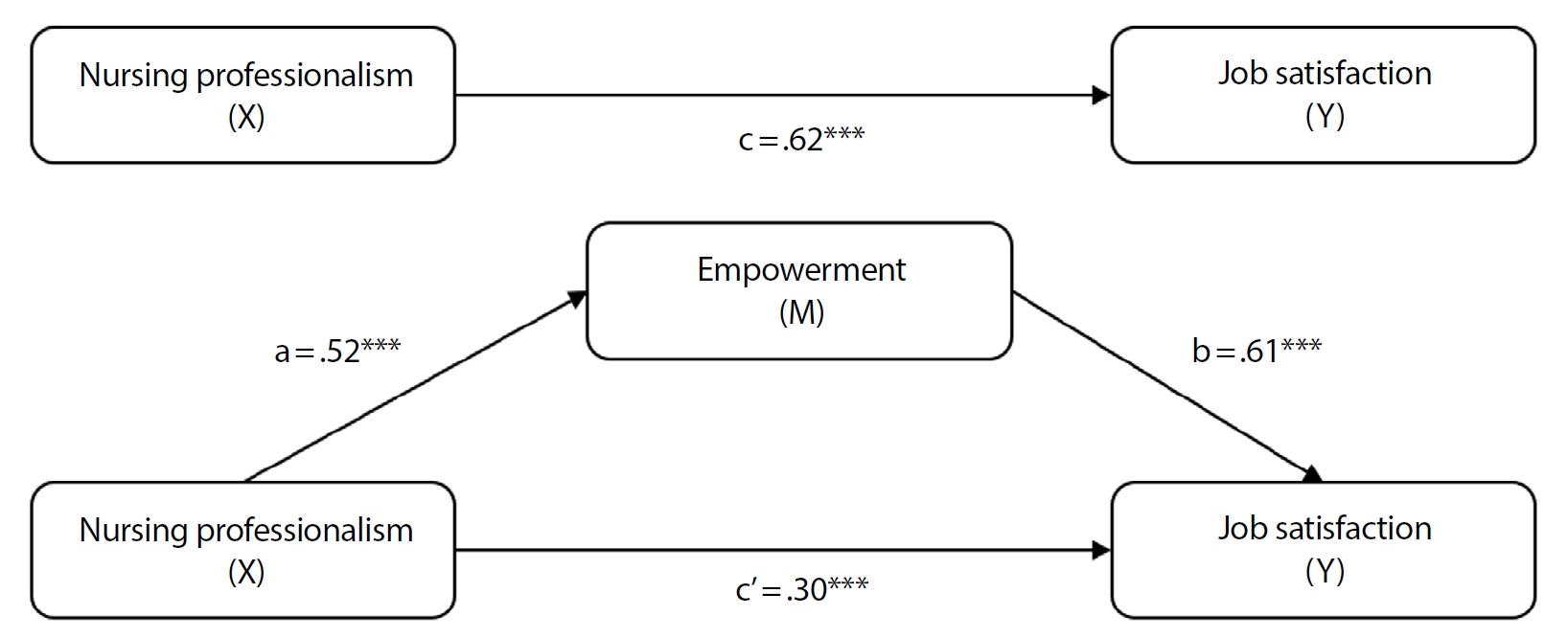
Table 1.Differences in Variables According to General Characteristics (N=165)
|
Characteristics |
Category |
n |
Job satisfaction |
|
M±SD |
t/F |
p(Scheffé) |
|
Age (yr) |
<40a
|
45 |
41.04±8.61 |
19.63 |
<.001 a<b<c |
|
40~49b
|
87 |
45.48±9.23 |
|
≥50c
|
33 |
51.30±6.10 |
|
Education |
Diplomaa
|
20 |
43.15±8.07 |
3.83 |
.024 b<c |
|
Bachelorb
|
87 |
44.23±9.73 |
|
≥Master’s degreec
|
58 |
48.04±8.14 |
|
Spouse |
Absent |
33 |
42.82±8.40 |
-1.85 |
.066 |
|
Present |
132 |
46.09±9.26 |
|
Total clinical experience (yr) |
<15a
|
40 |
40.73±7.30 |
11.14 |
<.001 a<b<c |
|
≥15~<25b
|
45 |
45.32±9.42 |
|
≥25c
|
50 |
49.38±8.43 |
|
Experience in the insurance review department (yr) |
<5a
|
65 |
42.25±8.53 |
8.43 |
<.001 a<c |
|
≥5~<10b
|
47 |
45.98±9.44 |
|
≥10c
|
53 |
48.87±8.48 |
|
Annual income (1 million KRW) |
<60a
|
36 |
44.94±7.91 |
3.36 |
.037 b<c |
|
≥60~<80b
|
75 |
43.84±9.34 |
|
≥80c
|
54 |
47.98±9.31 |
|
Certification of insurance review nurse |
Absent |
77 |
44.09±8.95 |
-1.78 |
.078 |
|
Present |
88 |
46.61±9.24 |
|
Position |
Staff nursea
|
131 |
43.82±8.94 |
11.16 |
<.001 a<b,c |
|
Team leaderb
|
14 |
50.79±7.47 |
|
Managerc
|
20 |
52.25±7.28 |
|
Suitability for insurance review tasks |
Fit the aptitudea
|
92 |
49.30±7.98 |
27.36 |
<.001 a>b |
|
Not fit the aptitudeb
|
27 |
37.63±7.71 |
|
Do not knowc
|
46 |
42.28±8.12 |
|
Competency empowerment education |
No |
36 |
39.28±8.84 |
-4.86 |
<.001 |
|
Yes |
129 |
47.16±8.53 |
Table 2.Descriptive Statistics of Research Variables (N=165)
|
Variable |
Possible range |
Min |
Max |
M±SD |
Skewness |
Kurtosis |
|
Nursing professionalism |
29~145 |
54.00 |
142.00 |
100.37±17.03 |
-0.17 |
0.24 |
|
Empowerment |
28~140 |
42.00 |
131.00 |
86.24±17.70 |
-0.16 |
-0.10 |
|
Job satisfaction |
14~70 |
18.00 |
69.00 |
45.44±9.17 |
-0.14 |
-0.15 |
Table 3.Correlations between Research Variables (N=165)
|
r (p) |
|
Nursing professionalism |
Empowerment |
Job satisfaction |
|
Nursing professionalism |
1 |
|
|
|
Empowerment |
.51 (<.001) |
1 |
|
|
Job satisfaction |
.64 (<.001) |
.77 (<.001) |
1 |
Table 4.Mediating Effect of Empowerment in the Relationship between Nursing Professionalism and Job Satisfaction (N=165)
|
Step |
Path |
β |
SE |
t (p) |
95% CI |
F (p) |
R² |
|
Step 1 |
NP → EM |
0.52 |
0.08 |
6.73 (<.001) |
.37~.67 |
8.36 (<.001) |
.33 |
|
Step 2 |
NP → JS |
0.62 |
0.07 |
8.97 (<.001) |
.48~.75 |
17.33 (<.001) |
.50 |
|
Step 3 |
NP → JS |
0.30 |
0.06 |
5.24 (<.001) |
.19~.41 |
42.28 (<.001) |
.73 |
|
EM → JS |
0.61 |
0.05 |
11.55 (<.001) |
.50~.71 |
|
|
|
Indirect effect |
NP → EM → JS |
0.32 |
0.06 |
- |
.20~.44 |
- |
- |
REFERENCES
- 1. Kim NY, Lee GH, Cho KW. Analysis of task importance and task performance for medical insurance review nurses’ using the IPA method. The Korean Journal of Health Service Management. 2017;11(1):43-53. https://doi.org/10.12811/kshsm.2017.11.1.043
- 2. Jeong ES, Jeong SH, Kim HY, Seo MH. Causes and effects of burnout experienced by insurance review nurses: focus group interview. Journal of Korean Academy of Nursing Administration. 2022;28(5):545-557. https://doi.org/10.11111/jkana.2022.28.5.545
- 3. Park JL, Jung SH, Chae YM. Analysis of influencing factors that influence on the job satisfaction of nurses involved in medical insurance reviews. Health Policy and Management. 2007;17(4):82-98. https://doi.org/10.4332/KJHPA.2007.17.4.082
- 4. Choi J, Park HJ. Professional Self-concept, self-concept, self-efficacy and job satisfaction of clinical nurse in schoolwork. Journal of Korean Academy of Nursing Administration. 2009;15(1):37-44.
- 5. Alrawahi S, Sellgren SF, Altouby S, Alwahaibi N, Brommels M. The application of Herzberg's two-factor theory of motivation to job satisfaction in clinical laboratories in Omani hospitals. Heliyon. 2020;6(9):e04829. https://doi.org/10.1016/j.heliyon.2020.e04829
- 6. Yarbrough S, Martin P, Alfred D, McNeill C. Professional values, job satisfaction, career development, and intent to stay. Nursing Ethics. 2017;24(6):675-685. https://doi.org/10.1177/0969733015623098
- 7. MacIntosh J. Reworking professional nursing identity. Western Journal of Nursing Research. 2003;25(6):725-741. https://doi.org/10.1177/0193945903252419
- 8. Lim JY, Kim E, Kim GM. Factors associated with job satisfaction among hospital nurses: a meta-correlation analysis. Journal of Home Health Care Nursing. 2022;29(1):60-69. https://doi.org/10.22705/jkashcn.2022.29.1.60
- 9. Yeom EY. Awareness of nursing professionalism among nurses working in comprehensive nursing service units. Journal of Qualitative Research. 2019;20(1):15-25. https://doi.org/10.22284/qr.2019.20.1.15
- 10. Ham YS, Kim HS. Comparison of factors affecting nursing professionalism perceived by nursing students anticipating graduation according to nursing educational system. Journal of Korean Academy of Fundamentals of Nursing. 2012;19(3):363-373. https://doi.org/10.7739/jkafn.2012.19.3.363
- 11. Kwak MH, Kwon SB. Professional self-concept and organizational socialization of new nurses. Journal of Wellness. 2017;12(4):469-478. https://doi.org/10.21097/ksw.2017.11.12.4.469
- 12. Shim OS, Lee HJ. A Comparative study on the job satisfaction, nursing professionalism and nursing work environment of nurses in comprehensive nursing care service wards and nurses in general wards. Journal of Convergence for Information Technology. 2017;7(6):25-33. https://doi.org/10.22156/CS4SMB.2017.7.6.025
- 13. Madden MA. Empowering nurses at the bedside: What is the benefit? Australian Critical Care. 2007;20(2):49-52.
- 14. Nam KH, Park JH. A study on the relationship of empowerment with job satisfaction and organizational commitment perceived by nurses. Journal of Korean Academy of Nursing Administration. 2002;8(1):137-150. https://koreascience.kr/article/JAKO200228835721661.page
- 15. Lee HK. Nurses' perceptions of job-related empowerment, job satisfaction, and organizational commitment. Journal of Korean Academy of Nursing Administration. 2001;7(1):65-84.
- 16. Jung SY, Park HJ. Factors influencing nursing professionalism on the nursing performance in intensive care unit nurses. Journal of Korean Fundamentals of Nursing. 2022;29(4):451-460. https://doi.org/10.7739/jkafn.2022.29.4.451
- 17. Kim EH. Relationships of nursing professionalism, self-leadership and empowerment of nursing students. Journal of Korean Clinical Health Science. 2016;4(1):532-541. https://doi.org/10.15205/kschs.2016.4.1.532
- 18. Li H, Shi Y, Li Y, Xing Z, Wang S, Ying J, et al. Relationship between nurse psychological empowerment and job satisfaction: a systematic review and meta-analysis. Journal of Advanced Nursing. 2018;74(6):1264-1277. https://doi.org/10.1111/jan.13549
- 19. Wagner JI, Cummings G, Smith DL, Olson J, Anderson L, Warren S. The relationship between structural empowerment and psychological empowerment for nurses: a systematic review. Journal of Nursing Management. 2010;18(4):448-462. https://doi.org/10.1111/j.1365-2834.2010.01088.x
- 20. Kim MJ, Lee HK. Influence of nursing professional value and political participation of nurses on patient advocacy. Journal of Korean Clinical Nursing Research. 2021;27(2):140-148. https://doi.org/10.22650/JKCNR.2021.27.2.140
- 21. Medical Insurance Review Nurses Association (MIRNA). Insurance review nurse: Role and workforce status [Internet]. Seoul: MIRNA; 2025 [cited 2025 Jul 17]. Available from: https://www.casemanager.or.kr/page.php?Main=3&sub=1
- 22. Kanter RM. Men and women of the corporation. 2nd ed. New York, NY; Basic Books; 1993.
- 23. Choi JY, Kim EK, Kim SY. Effects of empowerment and job satisfaction on nursing performance of clinical nurses. Journal of Korean Academy of Nursing Administration. 2014;20(4):426-436. https://doi.org/10.11111/jkana.2014.20.4.426
- 24. Yoon EJ, Kwon YM, Ahn OH. Development of a nursing professional values scale. Journal of Korean Academy of Nursing. 2005;35(6):1091-1100. https://doi.org/10.4040/jkan.2005.35.6.1091
- 25. Chandler GE. The relationship of nursing work environment to empowerment and powerlessness [doctoral dissertation]. Salt Lake, UT: College of Nursing, University of Utah; 1986.
- 26. Yang KM. Analysis of the relationship between the empowerment, the job-related individual characteristics and the work performance of nurses. Journal of Korean Academy of Nursing Administration. 1999;5(1):39-61. https://koreascience.kr/article/JAKO199928835724552.page
- 27. Slavitt DB, Stamps PL, Piedmont EB, Haase AM. Nurses' satisfaction with their work situation. Nursing Research. 1978;27(2):114-120. https://doi.org/10.1097/00006199-197803000-00018
- 28. Park JL. The influence of medical insurance review nurses' job stress on job satisfaction [master's thesis]. Seoul: Yonsei University; 2006.
- 29. Hayes AF. The simple mediation model. In: Hayes AF, editor. Introduction to mediation, moderation, and conditional process analysis: a regression-based approach. 2nd ed. New York, NY; Guilford Press; 2017. p. 77-112.
- 30. Shrout PE, Bolger N. Mediation in experimental and nonexperimental studies: new procedures and recommendations. Psychological Methods. 2002;7(4):422-445. https://doi.org/10.1037/1082-989X.7.4.422
- 31. Girma B, Nigussie J, Molla A, Mareg M. Health professionals' job satisfaction and its determinants in Ethiopia: A systematic review and meta-analysis. Archives of Public Health. 2021;79:141. https://doi.org/10.1186/s13690-021-00664-7
- 32. Kim EY, Jung SY, Kim SH. Effect of the effort-reward imbalance and job satisfaction on turnover intention of hospital nurses. Korean Journal of Occupational Health Nursing. 2022;31(2):77-85. https://doi.org/10.5807/kjohn.2022.31.2.77
- 33. Aloisio LD, Gifford WA, McGilton KS, Lalonde M, Estabrooks CA, Squires JE. Individual and organizational predictors of allied healthcare providers' job satisfaction in residential long-term care. BMC Health Services Research. 2018;18:491. https://doi.org/10.1186/s12913-018-3307-3
- 34. Zhang T, Feng J, Jiang H, Shen X, Pu B, Gan Y. Association of professional identity, job satisfaction and burnout with turnover intention among general practitioners in China: evidence from a national survey. BMC Health Services Research. 2021;21:382. https://doi.org/10.1186/s12913-021-06322-6
- 35. Seo YY, Ju HO. Influence of nursing organizational culture on empowerment as perceived by new nurses. Journal of Korean Academy of Nursing Administration. 2011;17(1):88-95. https://jkana.or.kr/journal/view.php?doi=10.11111/jkana.2011.17.1.88
- 36. Koh MS. A study on the influence of empowerment on job satisfaction and organizational commitment of clinical nurses. Journal of Korean Academy of Nursing Administration. 2003;9(3):315-327.
- 37. Hur YH, Lee BJ. Relationship between empowerment, job stress and burnout of nurses in hemodialysis units. Keimyung Journal of Nursing Science. 2011;15(1):21-30.
- 38. Ko E, Kim HY, Kim GS, Kim RS, So HS. Burnout amongst nurses in cancer wards: impact of nursing professionalism, perfectionism, and resilience. Asian Oncology Nursing. 2018;18(4):214-223. https://doi.org/10.5388/aon.2018.18.4.214
- 39. Jung SJ, Jeong JH. Influence of professionalism and organizational communication on patient safety culture of nurses in hemodialysis units. Journal of Korean Clinical Nursing Research. 2019;25(1):98-105. https://doi.org/10.22650/JKCNR.2019.25.1.98
- 40. Miller BK, Adams D, Beck L. A behavioral inventory for professionalism in nursing. Journal of Professional Nursing. 1993;9(5):290-295. https://doi.org/10.1016/8755-7223(93)90055-H
- 41. Lu H, Zhao Y, While A. Job satisfaction among hospital nurses: A literature review. International Journal of Nursing Studies. 2019;94:21-31. https://doi.org/10.1016/j.ijnurstu.2019.01.011
- 42. Khan MR, Rahman MA, Hossain Z. Satisfaction and motivation of nursing professional: a study on rangpur medical college hospital. Archives of Business Research. 2022;10(2):103-109. https://doi.org/10.14738/abr.102.11806
- 43. Çelik S, Hisar F. The influence of the professionalism behaviour of nurses working in health institutions on job satisfaction. International Journal of Nursing Practice. 2012;18(2):180-187. https://doi.org/10.1111/j.1440-172X.2012.02019.x
- 44. Ning S, Zhong H, Libo W, Qiujie L. The impact of nurse empowerment on job satisfaction. Journal of Advanced Nursing. 2009;65(12):2642-2648. https://doi.org/10.1111/j.1365-2648.2009.05133.x
- 45. Conger JA, Kanungo RN. The empowerment process: Integrating theory and practice. Academy of Management Review. 1988;13(3):471-482. https://doi.org/10.5465/amr.1988.4306983
- 46. Spence Laschinger HK, Gilbert S, Smith LM, Leslie K. Towards a comprehensive theory of nurse/patient empowerment: Applying Kanter’s empowerment theory to patient care. Journal of Nursing Management. 2010;18(1):4-13. https://doi.org/10.1111/j.1365-2834.2009.01046.x